











From Everyday Chaos to Everyday Calm: Why Small Changes Can Transform a Space
Share
It wasn't really a messy home.
It was something more familiar.
Shoes near the door.
A charging cable across the table.
Mail waiting to be sorted.
A kitchen drawer that somehow contained everything except the utensil you were looking for.
Nothing was dramatically wrong.
But every little task seemed to require an extra step.
BEFORE: When Small Frustrations Add Up
Morning begins.
Where are the keys?
Where is the charger?
Where did that document go?
The problem isn't always lack of space.
Often, the space simply hasn't been designed around the routine happening inside it.
That's an important distinction.
Buying a bigger cabinet won't necessarily solve poor organization.
Buying more kitchen tools won't necessarily make cooking easier.
Adding another desk accessory won't necessarily improve productivity.
Sometimes the solution starts with understanding how the space is actually used.
THE REALIZATION: Your Space Should Work Around You
Imagine walking through your normal day.
You enter your home carrying a bag, keys, and perhaps mail.
What happens next?
That's where the first solution belongs.
A tray for keys.
A designated bag location.
A small mail organizer.
Now move into the kitchen.
Which tools are used every day?
Those belong nearby.
The special equipment used once every few months?
That can move somewhere less accessible.
This isn't dramatic interior design.
It's functional design.
CHANGE #1: Create Purpose
Instead of thinking about rooms, think about moments.
The morning coffee moment.
The leaving-home moment.
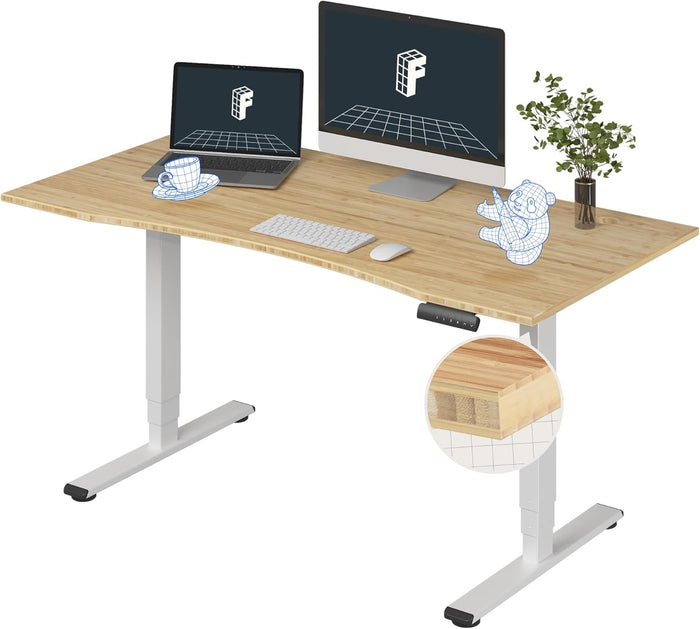
The work-from-home moment.
The evening relaxation moment.
Once you identify these moments, products can support them.
CHANGE #2: Remove Friction
A useful product doesn't necessarily add another activity.
It removes one.
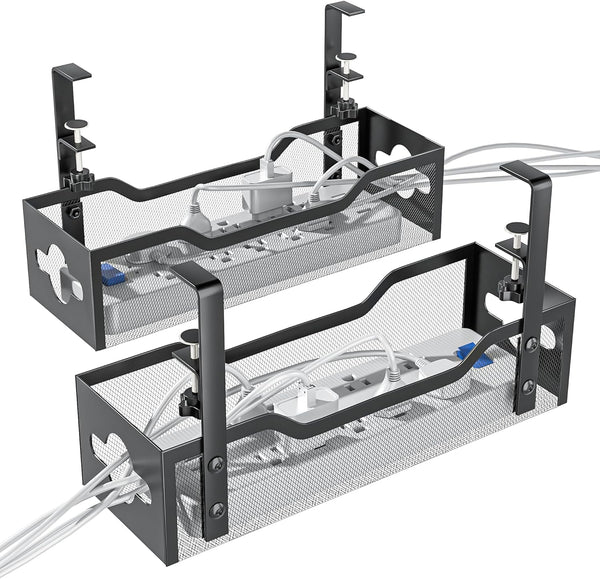
The right organizer eliminates searching.
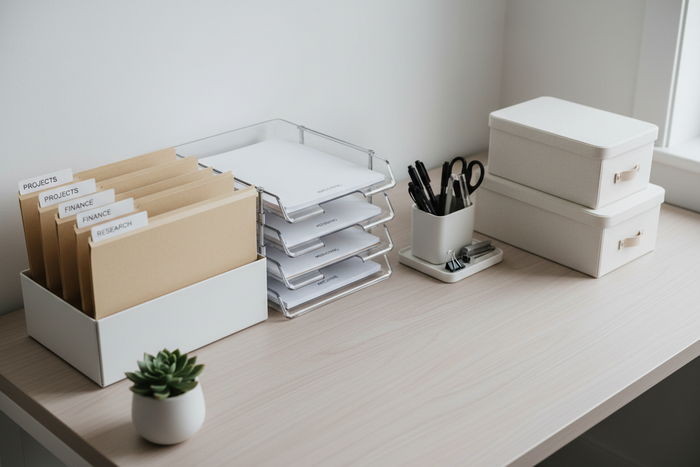
The right storage solution eliminates clutter.
The right travel accessory eliminates repacking.
The right kitchen tool reduces unnecessary preparation.
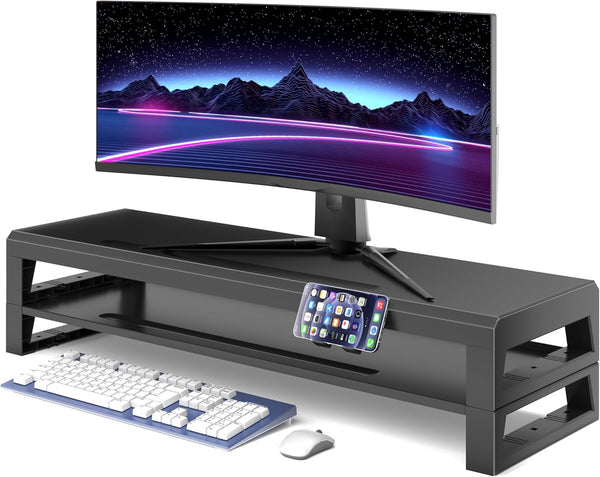
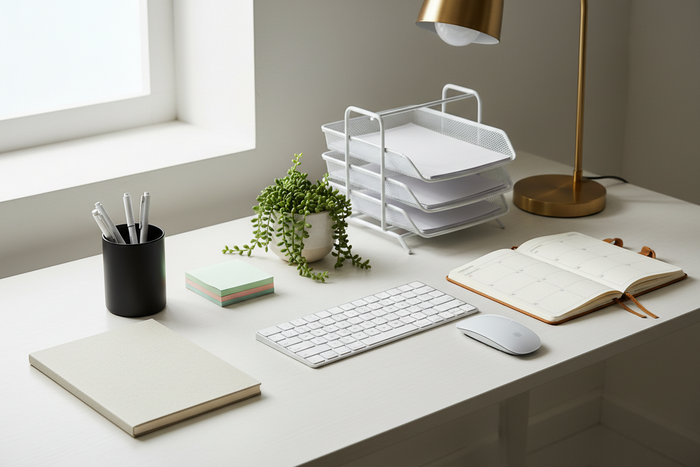
The right workspace accessory removes a repeated inconvenience.
That's the type of product worth looking for.
CHANGE #3: Choose Fewer, Better Solutions
It's tempting to solve clutter by buying more storage.
But storage without purpose can simply hide clutter.
Start with fewer products.
Choose solutions that match specific problems.
Measure spaces before ordering.
Think about how the product will actually be used.
Then build gradually.
AFTER: When Everything Has a Reason
Imagine the same morning again.
Your keys are where you expect them.
Your charging station is ready.
Your workspace takes seconds to prepare.
Frequently used kitchen essentials are accessible.
The difference sounds small.
That's exactly the point.
Better everyday living is often built from small improvements repeated every day.
Create Your Own Before & After
Choose one area today.
Don't redesign it.
Observe it.
Ask:
What happens here?
What repeatedly goes wrong?
What do I use most?
What could be easier?
Then solve that one problem.
Afterward, move to the next.
Eventually, small improvements begin connecting with each other.
That's when a space starts feeling different.
Not because it's perfect.
Because it works.
FAQ
Do small organizational changes really matter?
They can when they address something you repeat frequently. Saving a little effort every day can improve the overall experience of a space.
Should function come before appearance?
Ideally, look for both. But if an attractive solution doesn't work with your routine, it's unlikely to remain useful.
Where should I begin?
Choose the location where you experience the most repeated inconvenience.
Do I need expensive products?
No. Suitability, durability, dimensions, and usability often matter more than price alone.
Make everyday living work better.
Explore practical products and thoughtful solutions created for the little moments that happen every day.