











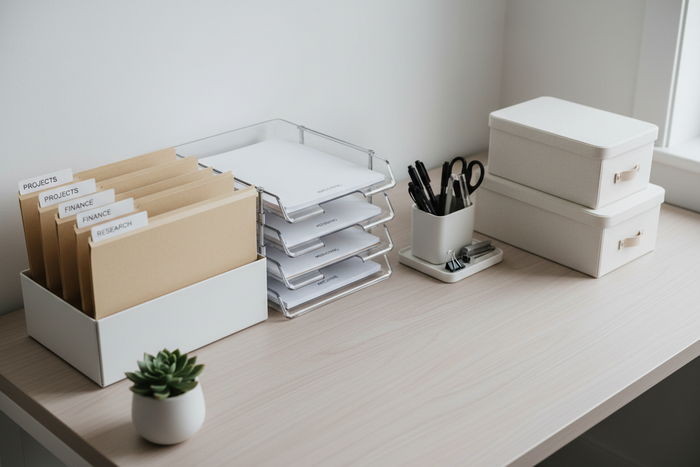


From Receipts to Records: A Simple Filing System for Small Business Owners
Share
Paperwork Grows Quietly
Running a small business creates paperwork almost automatically.
Receipts.
Invoices.
Supplier documents.
Shipping records.
Customer information.
Purchase records.
Notes.
Forms.
At first, keeping everything in one folder seems manageable.
Then the folder becomes a drawer.
The drawer becomes a box.
And eventually:
“I know I kept it somewhere.”
A simple filing system can help turn paperwork from a recurring frustration into a manageable routine.
Don't Start With Products—Start With Categories
Before buying filing supplies, determine what kinds of records your business actually produces.
Possible categories might include:
Expenses
Purchases
Sales
Suppliers
Shipping
Business Administration
Current Projects
Reference
The categories should reflect your actual operation.
Separate Active From Archived Records
One of the easiest ways to reduce filing clutter is to separate documents you regularly use from documents you simply need to retain.
ACTIVE
Current invoices.
Open orders.
Pending supplier matters.
Documents requiring action.
ARCHIVE
Completed records.
Closed projects.
Older reference materials.
Historical paperwork.
Your desk doesn't need to become long-term storage.
Create a Simple Incoming Process
When paperwork enters the workspace, give it one of three destinations:
ACTION
Something needs to happen.
FILE
Keep it.
DISCARD
No longer needed.
This prevents every piece of paper from becoming a permanent resident of the desk.
Label for Retrieval, Not Appearance
Beautiful labels are nice.
Useful labels are better.
A label should answer:
“Where would I naturally look for this six months from now?”
Choose names that are obvious.
Avoid overly complicated filing codes unless your business genuinely needs them.
Combine Physical and Digital Organization
Many businesses operate with both paper and digital records.
Try to use similar category names across both systems.
If the physical folder says:
2026 — SUPPLIERS
Use a similar digital structure where practical.
Consistency makes retrieval easier.
Important Note
Record-retention requirements can vary depending on the type of document, business, and jurisdiction.
Use this system for organization, but follow applicable professional, tax, accounting, or legal guidance when deciding how long particular business records should be retained.
🛍️ SHOP THE SOLUTION
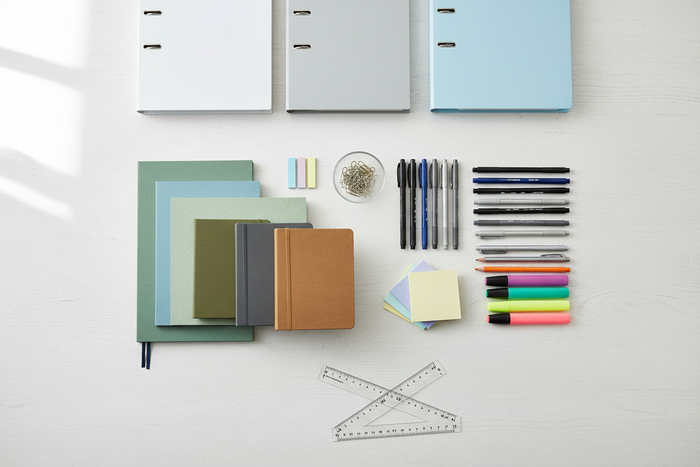
Small Business Filing Essentials
- File Folders
- Expanding Files
- Hanging Folders
- Binders
- Dividers
- Document Boxes
- Labels
- Receipt Organizers
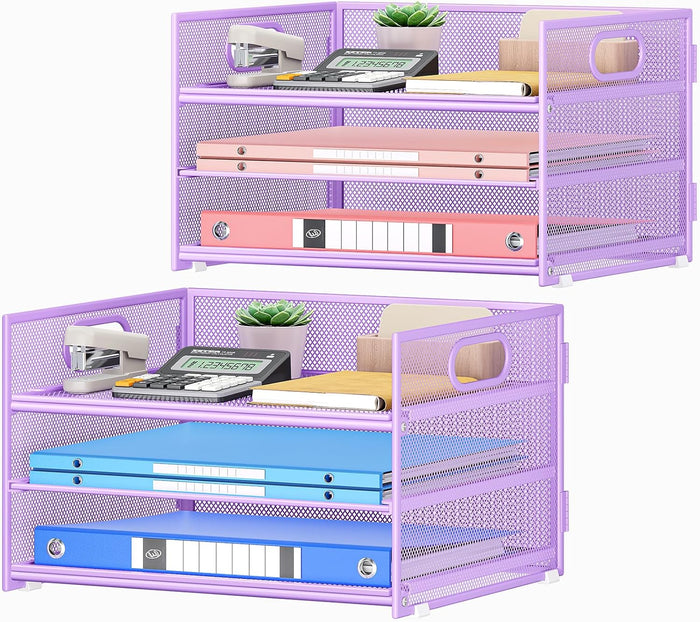
- Document Trays
- Permanent Markers
- Business Notebooks
👉 Recommended Collection:
Small Business & Filing Essentials
Conclusion
Good filing isn't about creating a beautiful cabinet.
It's about being able to answer one simple question:
“Can I find what I need when I need it?”
Create fewer categories.
Use clearer labels.
Process paperwork consistently.
And let your filing system quietly do its job.