










How to Create a More Organized Everyday Routine — Without Making Life Complicated
Share
Organization isn't about creating a home that looks perfect in photographs.
It's about making everyday life easier.
The best organization systems help you find what you need, reduce unnecessary movement, save time, and make it easier to put things away again.
Here's how to build one that actually works.
Step 1: Follow Your Daily Routine
Before reorganizing anything, spend a day noticing your movements.
What do you reach for every morning?
Where do you drop your belongings when you come home?
Which items repeatedly end up in the wrong place?
Where do piles naturally form?
These patterns matter because successful organization should follow your behavior rather than fight it.
If you always place your keys near the door, don't create a key organizer across the room.
Put the organizer where the keys naturally land.
Step 2: Divide Your Space Into Zones
Think in terms of activities rather than individual objects.
Entry Zone
Keys
Wallet
Bag
Shoes
Mail
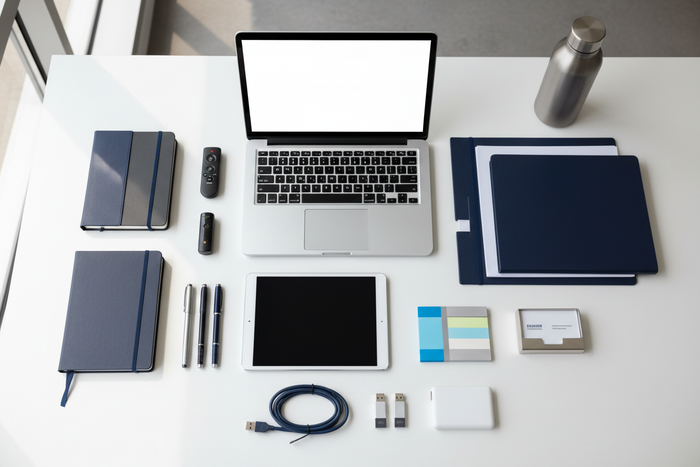
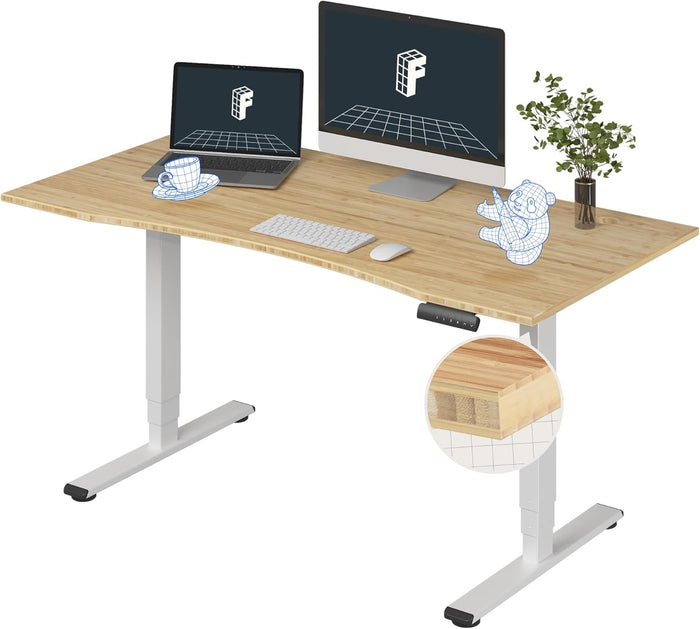
Work Zone
Laptop
Chargers
Notebook
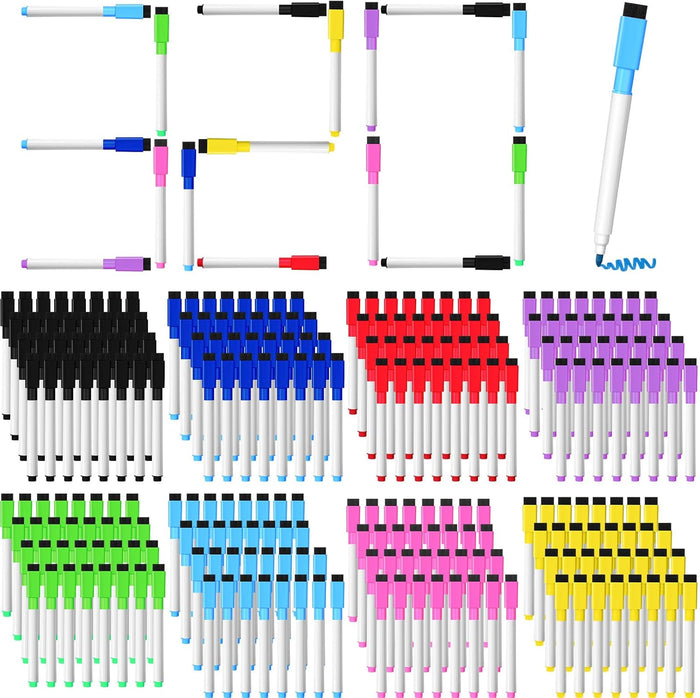
Pens
Headphones
Kitchen Prep Zone
Cutting tools
Frequently used utensils
Seasonings
Prep accessories
Relaxation Zone
Remote controls
Books
Blankets
Charging cable
Grouping items according to activity makes spaces easier to use.
Step 3: Keep Frequently Used Products Accessible
A simple rule:
The more frequently you use something, the easier it should be to reach.
Daily-use items belong within easy reach.
Weekly items can go slightly higher or deeper.
Rarely used items can occupy less convenient storage.
This prevents valuable storage space from being dominated by products you rarely touch.
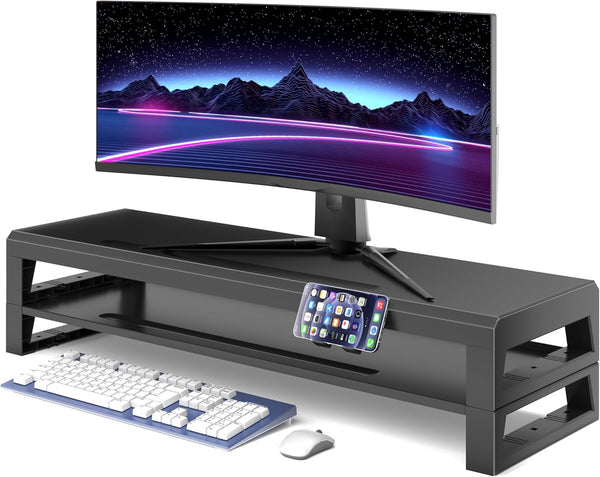
Step 4: Use Vertical Space
When floor or counter space is limited, look upward.
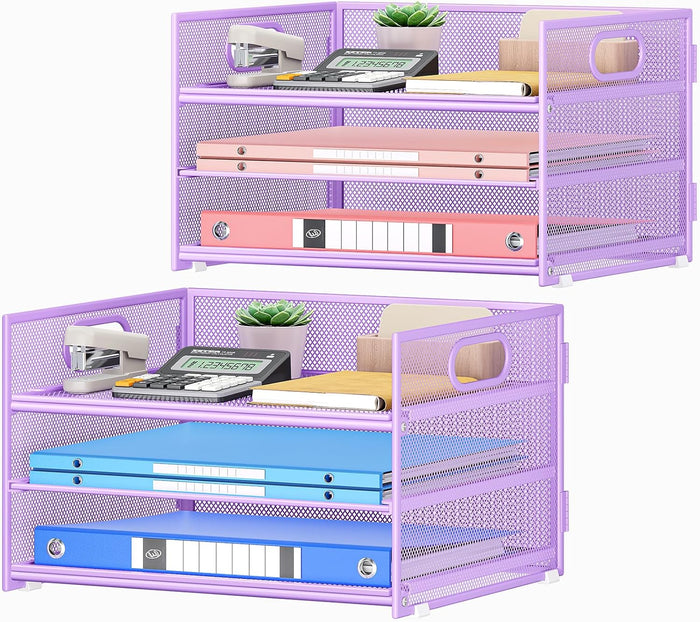
Shelving, stackable organizers, wall-mounted storage, hooks, and tall cabinets can dramatically increase usable storage without increasing the room's footprint.
Vertical storage is especially valuable for apartments and smaller spaces.
Step 5: Control the Small Things
Small objects create disproportionate amounts of clutter.
Cables.
Pens.
Remote controls.
Cosmetics.
Small kitchen tools.
Cleaning accessories.
Travel accessories.
Instead of storing each individually, group similar objects together.
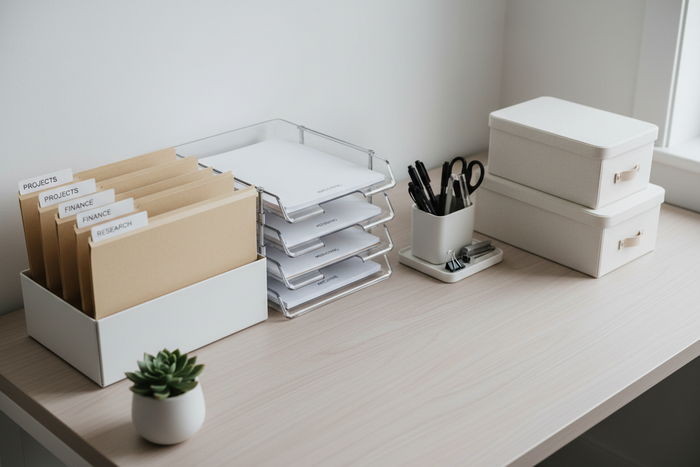
Use small bins, trays, drawer dividers, pouches, or containers.
Step 6: Don't Overfill Storage
An organizer isn't useful if every compartment is packed tightly.
Leave some breathing room.
If removing one item causes three others to fall out, the system is too full.
Good storage should make retrieval and replacement easy.
Step 7: Make Putting Things Away Easier Than Leaving Them Out
This may be the most important rule.
If storing something requires opening three doors, moving another object, lifting a box, and removing a lid, there's a good chance it won't stay organized.
Reduce friction.
Frequently used storage should be simple.
Open.
Reach.
Use.
Return.
Step 8: Review Your System After One Week
After living with your new setup, ask:
What stayed organized?
What became messy again?
What did I never use?
Which storage solution felt inconvenient?
Then adjust.
Organization should evolve around your real habits.
Smart Products to Consider
Depending on your needs, useful categories may include:
Drawer organizers
Storage baskets
Shelving
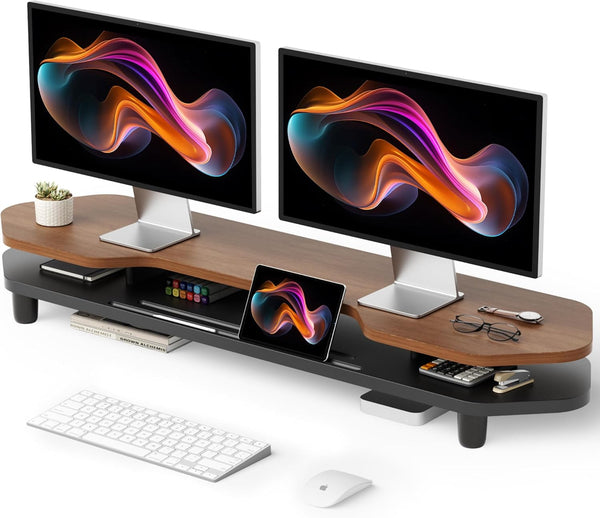
Desk organizers
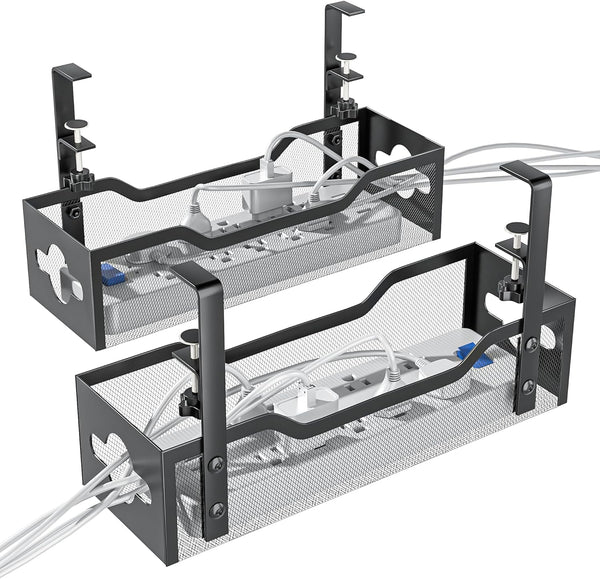
Cable management
Entryway storage
Kitchen organizers
Closet systems
Portable storage
Multipurpose furniture
The goal isn't to buy every organizational product.
It's to find the few that remove recurring friction.
The 10-Minute Reset
At the end of the day, spend ten minutes returning things to their designated zones.
Because everything already has a place, resetting the space becomes much easier.
And tomorrow begins with less clutter.
Final Checklist
Before buying an organization product, ask:
Where exactly will it go?
What exactly will it hold?
How often will I use those items?
Does it fit the available space?
Will it make items easier to retrieve?
Is it easy to clean?
Will it simplify my routine?
If you can't answer those questions, wait before purchasing.
FAQ
Do I need to organize my entire home at once?
No. One functional zone at a time is usually easier to maintain.
What should I do with items I rarely use?
Move them away from high-access areas and reserve prime storage for frequently used items.
Are clear storage containers better?
They can be useful when seeing the contents saves time, although the right solution depends on the space.
How often should I reorganize?
Rather than following a strict schedule, reassess whenever a system consistently stops working.
Ready for a simpler setup?
Explore storage, organization, and everyday essentials designed to help create spaces that work better for real life.
SEO Title: How to Organize Your Everyday Routine
Primary Keyword: everyday organization ideas
Secondary Keywords: home organization, storage solutions, decluttering tips, organization products