












The Smarter Shopping Guide: 8 Questions to Ask Before You Buy
Share
Online shopping gives us more choice than ever.
That is both convenient and complicated.
Two products may look almost identical in photographs while offering very different experiences once they arrive.
So how do you choose?
Instead of starting with price, start with these eight questions.
1. What Problem Am I Actually Solving?
This should be the first question for almost every practical purchase.
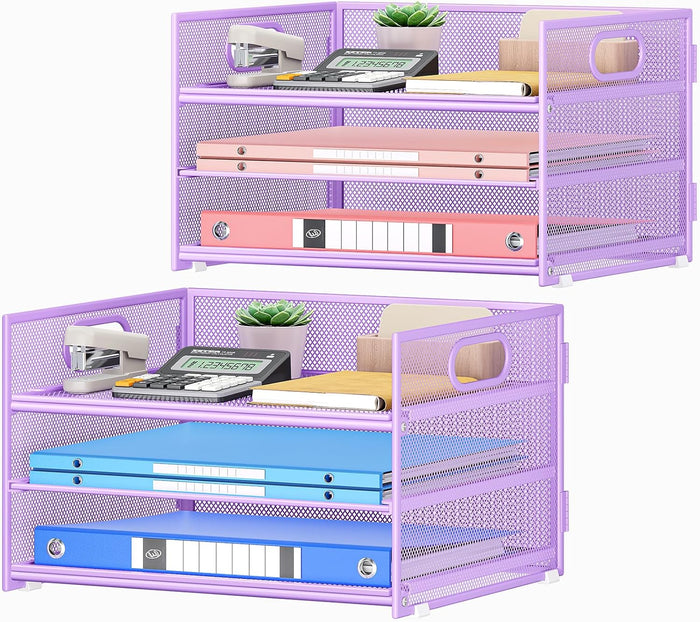
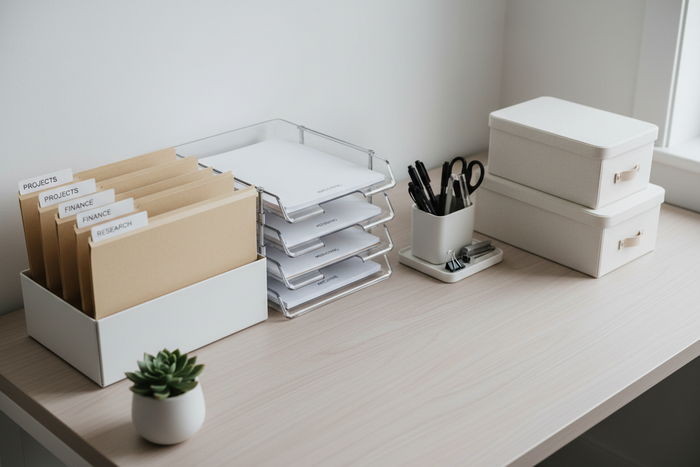
Suppose you're shopping for storage.
Do you need more capacity?
Better accessibility?
Better organization?
Something portable?
Something attractive enough to remain visible?
Those are different problems requiring different products.
Define the problem first.
2. How Often Will I Use It?
Frequency should influence purchasing priorities.
For something used once or twice per year, basic functionality may be enough.
For something used every morning, durability and usability become much more important.
Consider cost per use rather than price alone.
3. Does the Size Actually Work?
Online images can make dimensions difficult to judge.
Always check measurements.
For furniture, storage, organizers, travel products, appliances, and many accessories, dimensions may matter more than appearance.
Measure the intended location.
Then measure it again.
Also consider clearance.
Will drawers open?
Will doors move freely?
Will people be able to walk around it?
Will it fit inside another storage area?
4. What Material Is Right for My Use?
There isn't always one "best" material.
Different materials solve different problems.
Ask about:
Weight
Durability
Cleaning
Moisture resistance
Heat resistance
Comfort
Portability
Appearance
Maintenance
Choose according to how the product will actually be used.
5. Am I Paying for Features I Won't Use?
Feature lists can be persuasive.
But more features don't automatically mean a better product.
Ask yourself:
Which features will I actually use every week?
Which sound impressive but aren't important to me?
Sometimes a simpler model is the smarter purchase.
6. How Easy Is It to Maintain?
This is one of the most overlooked buying questions.
Consider cleaning.
Replacement parts.
Charging.
Assembly.
Storage.
Routine maintenance.
A great product that is frustrating to maintain may eventually stop being used.
7. Will It Work With What I Already Own?
Think about compatibility.
Color.
Size.
Power requirements.
Accessories.
Furniture dimensions.
Storage systems.
Existing technology.
Buying products that work with your current environment can prevent unnecessary replacement purchases.
8. Would I Still Want It Without the Discount?
Sales create urgency.
A useful test is to temporarily ignore the discount.
Would you still want the product?
Does it still solve your problem?
If not, the discount may be driving the decision more than the product itself.
A Simple Product Comparison Method
When choosing between several products, compare them using five factors:
FUNCTION — Does it solve the intended problem?
FIT — Does the size work?
FREQUENCY — How often will it be used?
MAINTENANCE — Is it easy to own?
VALUE — Does the price make sense for your needs?
The best choice isn't necessarily the cheapest.
It isn't necessarily the most expensive either.
It's the one that fits your actual situation.
Before You Click "Add to Cart"
Take thirty seconds and ask:
Why am I buying this?
Where will I use it?
Where will I store it?
How often will I use it?
Does it fit?
Can I maintain it easily?
Do I need every feature?
Would I buy it without the discount?
If you have clear answers, you're far more likely to feel confident about the purchase.
FAQ
Is a more expensive product usually better?
Not automatically. Higher prices may reflect materials, features, branding, or construction, but value depends on your actual needs.
How can I judge quality online?
Review materials, dimensions, specifications, product images, warranty information where available, and credible customer feedback.
Should I buy a multifunction product?
Choose one when you genuinely need several of its functions, not simply because the feature list is longer.
What's the biggest online shopping mistake?
Buying before checking dimensions and whether the product solves the intended problem.
Shop with purpose.
Explore our collections and find products that fit your space, routine, needs, and everyday life.
SEO Title: 8 Questions to Ask Before Buying Online
Primary Keyword: smart online shopping tips
Secondary Keywords: product buying guide, online shopping guide, how to choose products, shopping tips